
Interior design in 2027 is moving away from spaces that feel overly styled and towards homes with more warmth, character and individuality.
Natural materials are becoming more expressive, colour is returning in a more considered way, and greater attention is being paid to how a home actually functions day to day. Rather than following one particular look, the strongest interiors are combining timeless finishes with more personal layers that can evolve over time.
For new homes, this shift is particularly relevant. Kitchens, cabinetry, flooring and lighting are significant investments, so the challenge is finding the right balance between what feels current now and what will continue to work well into the future.
Here’s what is shaping interior design for new homes in 2027
Warm, Natural Materials
Natural materials will continue to play a major role in interiors through 2027, but the preference is shifting away from finishes that look too uniform or perfected.
Timber with visible grain and tonal variation, expressive stone and more tactile finishes are being embraced for the character they bring to a space.
The result is a warmer interior that feels less manufactured.
Timber cabinetry, stone benchtops and natural flooring can also provide longevity within a new home. These are finishes that can sit comfortably alongside changing furniture, paint colours and styling trends without needing to be replaced every few years.
The key is balance. A strongly veined stone or richly grained timber can become a feature in its own right without every surface in the room needing to compete for attention.
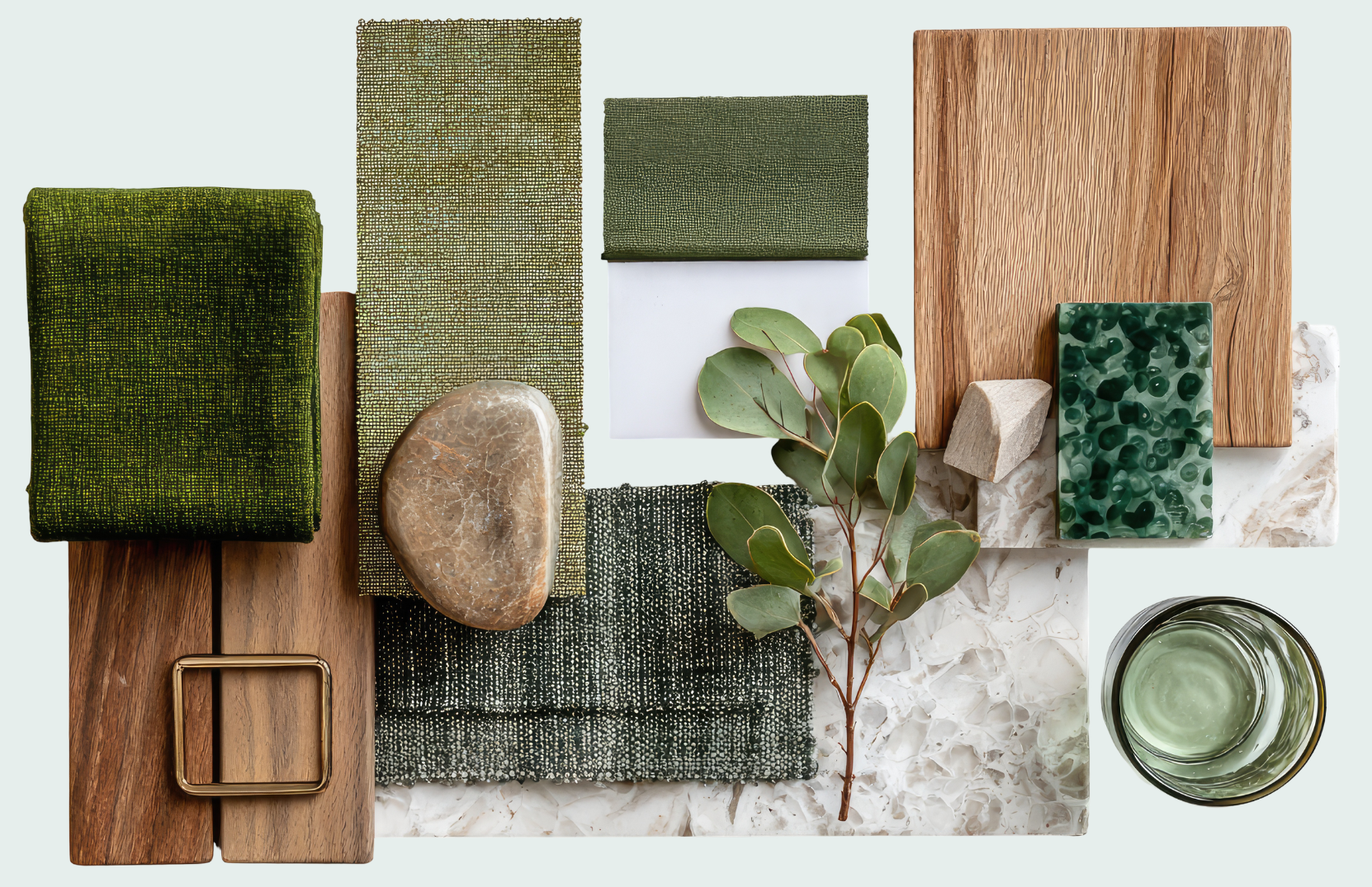
Colour With More Confidence
Neutral interiors aren’t disappearing, but they are warming up.
Expect to see earthy browns, botanical greens, muted blues, clay tones and deeper berry shades appearing alongside warmer whites and natural timber.
Dulux’s 2027 Colour Forecast reflects this shift, with palettes moving between earthy, sensory tones and more playful or expressive colours.
For new homes, colour is likely to be used with greater purpose rather than applied everywhere.
Cabinetry, feature joinery, paint and furniture provide opportunities to introduce personality, while more permanent and expensive finishes can remain relatively restrained.
This gives homeowners the flexibility to create an interior that feels current without committing the entire home to a colour trend that may date quickly.
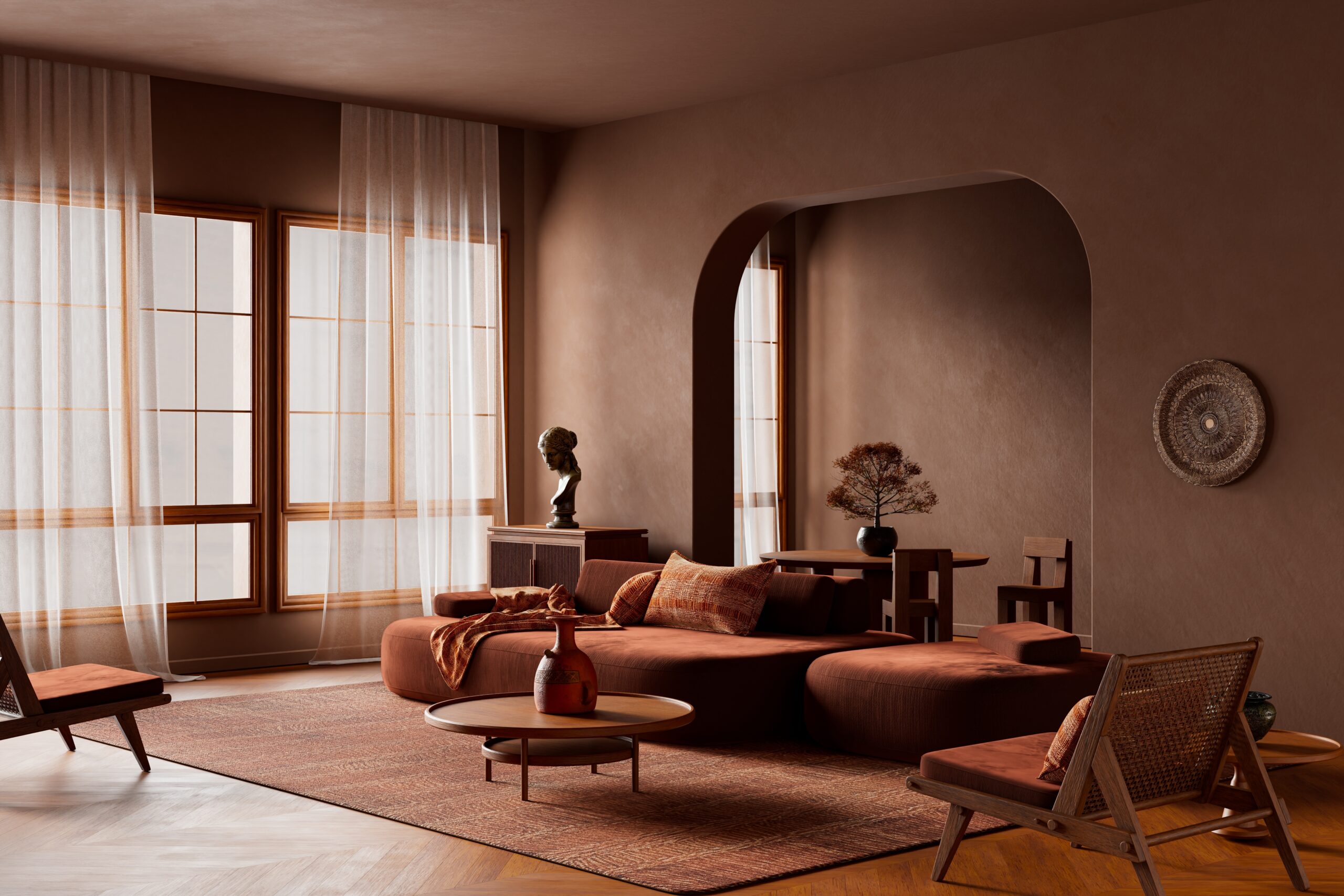
Kitchens Become Warmer and More Practical
The kitchen remains one of the most important spaces in the home, both from a liveability and property perspective.
In 2027, the open-plan kitchen will continue to dominate, but the stark white showroom look is giving way to warmer finishes, richer cabinetry and more expressive stone.
Timber is becoming particularly prominent, whether used across full cabinetry or introduced through an island bench, overhead cupboards or feature joinery.
Behind the finishes, functionality is becoming even more important.
Walk-in and butler’s pantries, integrated appliances, appliance cupboards, deep drawers and concealed storage are helping kitchens remain visually clean while still working hard.
A beautiful kitchen may make an immediate impression, but storage, layout and functionality are what determine how well it works over time.
The strongest kitchen designs for 2027 will do both.
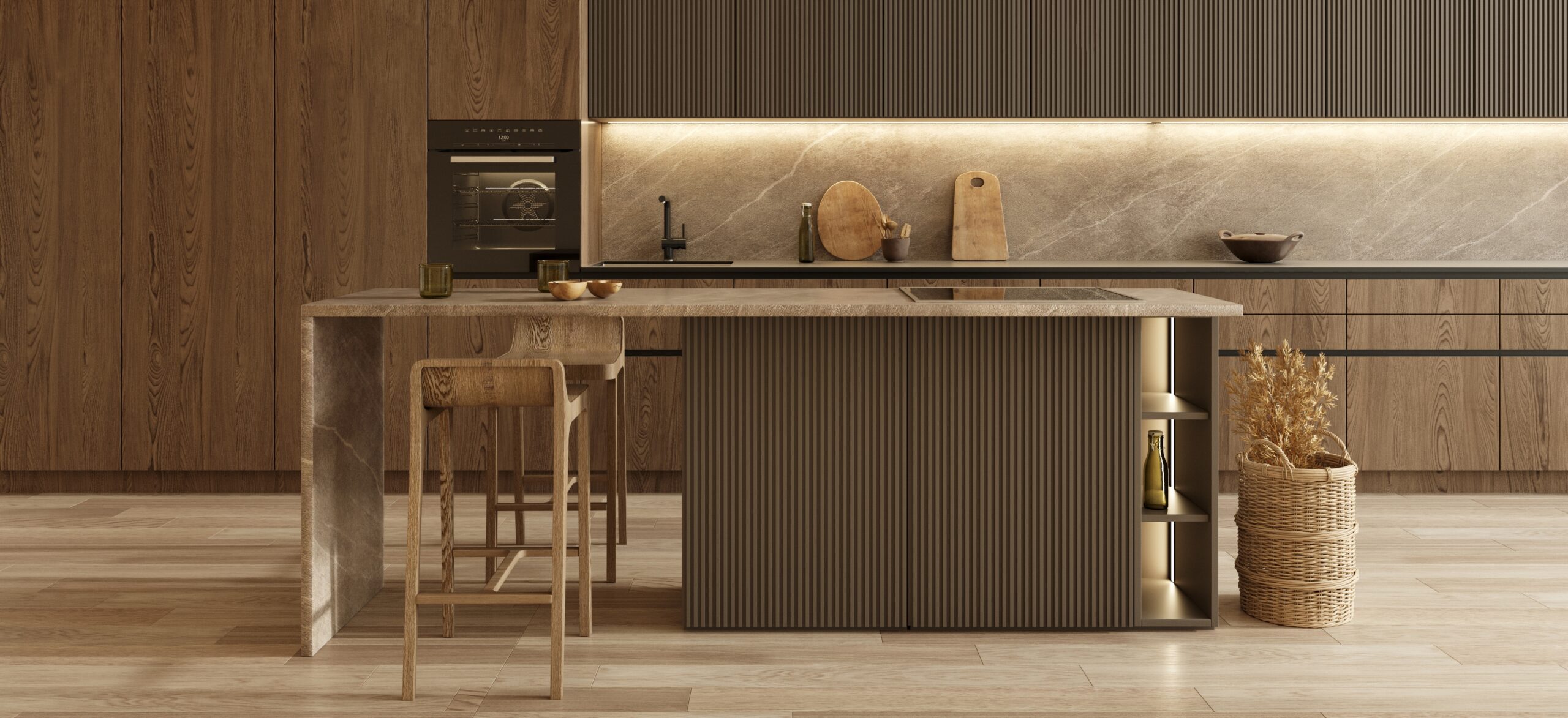
Custom Cabinetry Continues to Evolve
Custom cabinetry remains one of the most practical ways to personalise a new home.
Built-in seating, study zones, entertainment units, bedroom cabinetry, integrated shelving and concealed storage are increasingly being considered as part of the overall design rather than added after construction.
Used well, joinery can make spaces work considerably harder.
A window seat can provide additional storage. An underused hallway can incorporate cabinetry. A small corner can become a practical study or work zone without requiring an entirely separate room.
For new homes, the best custom cabinetry will balance personalisation with flexibility.
Highly specific built-ins can suit one owner perfectly, but thoughtful joinery should also allow the space to adapt as needs change over time.
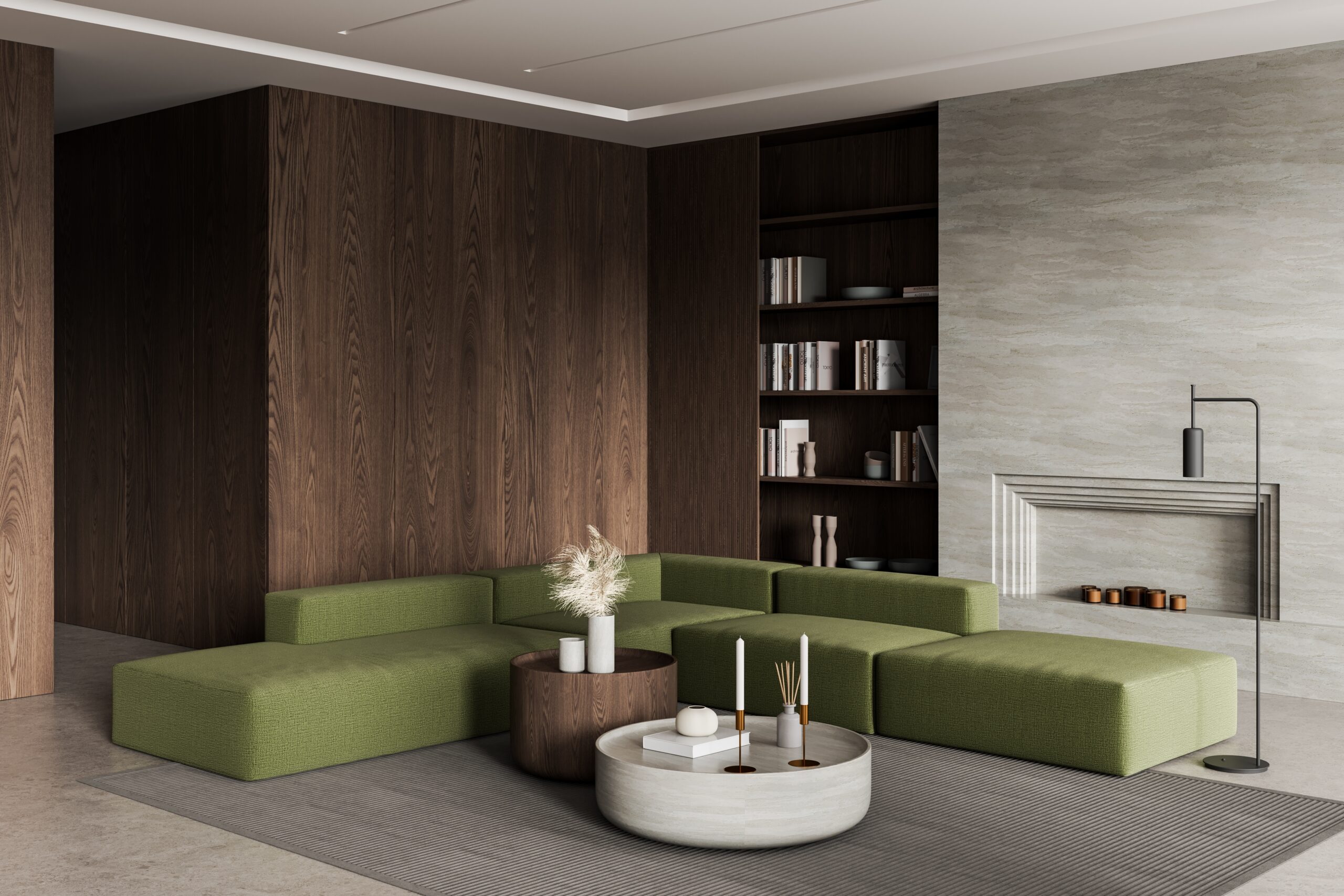
Texture Moves Into the Architecture
Texture has been a major interiors trend for several years, but in 2027 it is moving beyond cushions, rugs and furniture.
Fluted timber, ribbed cabinetry, textured plaster, natural stone and dimensional wall finishes are increasingly being built into the home itself.
These materials add depth without relying on strong colour or pattern.
They can be particularly effective in contemporary interiors, where a relatively simple palette might otherwise feel flat.
Softer architectural details are also continuing to emerge, with rounded corners, curved islands and less rigid junctions helping to soften larger open-plan spaces.
As with most trends, restraint matters.
A few carefully considered details can give a home character. Repeating the same treatment throughout every room can quickly make it feel tied to a particular point in time.

Quality Materials
There will be a noticeable shift towards utilising high-quality, sustainable materials as key focal points. Look out for an increase in the use of stone, wood, and metal surfaces. Their natural textures and tones bring a sense of warmth and character to the kitchen environment and in turn flow impressively throughout the home.
These materials not only elevate aesthetics but also contribute to durability and longevity. Overall, this emphasis on sustainable materials reflects a growing awareness and appreciation for eco-conscious design practices in the modern kitchen landscape.

Door Styles
Shaker style doors featured a minimalist design with flat central panels, surrounded by a raised, rectangular frame. This style seamlessly blends with traditional, modern, or transitional interior décor. They have never really gone out of style since first appearing popular decades ago. Alternatively, flat-panel doors offer a clean, uncluttered appearance and are more cost-effective than shaker doors. Both styles have their merits, and the choice between shaker doors and flat-panel doors ultimately depends on your personal style and preferences.
Bold Hardware: Infuse contemporary colours and finishes from the front door through to cabinet hardware in the laundry. Choose bold, modern handles or knobs to create a focal point without overwhelming the entire cabinetry.

Dulux Colour Forecast 2025
The Dulux Colour Forecast 2025 unveils three exquisite palettes— Still, Recollect, and Emerge—each carefully curated to inspire warmth, nurture, and positivity in residential spaces. These palettes emphasise colours with warm, brown undertones, creating environments that feel both comforting and uplifting. These colours adapt beautifully to any architectural style, empowering homeowners to refresh their interiors with confidence and embrace an on-trend positive transformation.

Pantone Colour of the Year 2025
The Pantone Colour of the Year 2025 further complements these themes, offering a bold, defining hue that encapsulates the spirit of the year. This warming, rich brown hue exudes a sense of comfort and indulgence, reminiscent of the delectable qualities of chocolate and coffee. Whether paired with complementary neutrals or vibrant pops of colour, Mocha Mousse invites a sense of coziness and timeless elegance into every space. This selection aligns seamlessly with broader design trends for 2025, where warm tones and natural influences dominate, helping homeowners create interiors that feel both grounded and inviting.
